Plants & Wildlife · Reference · Basic
Poison Ivy, Oak and Sumac: Identify, Avoid, Treat
Know the three urushiol plants, how the oil really spreads, and what to do in the first minutes after contact.
This is for educational purposes only. Not professional medical, electrical, or safety advice.
Warning
Never burn poison ivy, oak or sumac — inhaled urushiol smoke can cause severe respiratory reactions. Don't use unknown brush as firewood.
- 01
Know your enemy
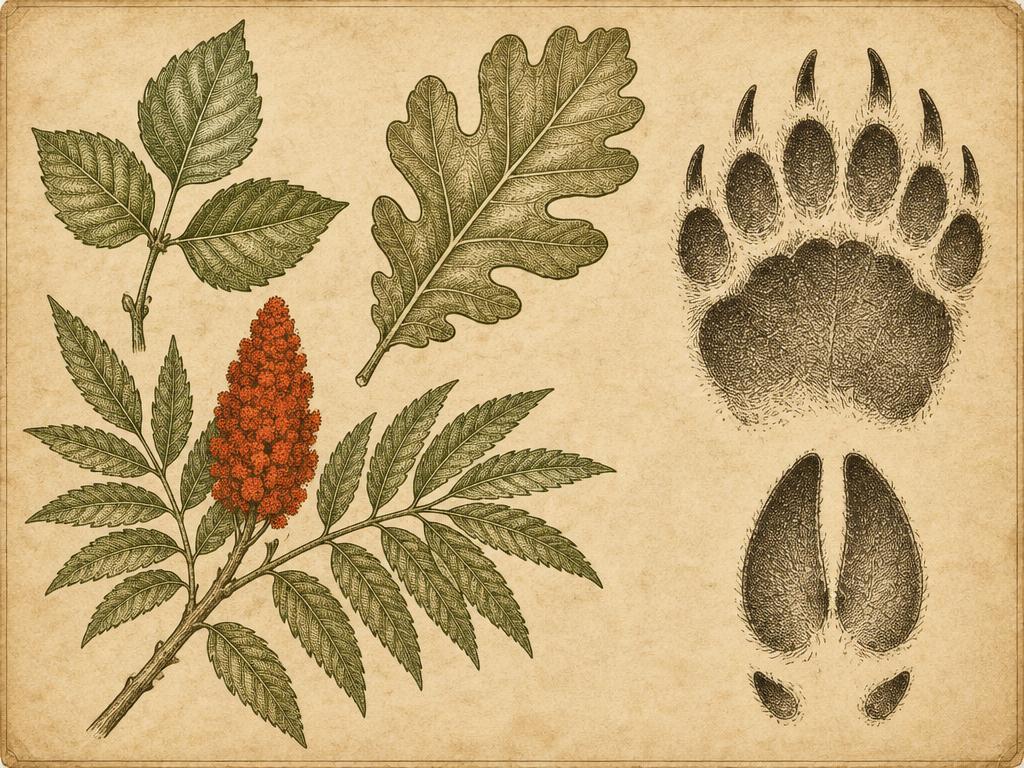
Poison ivy: three leaflets, smooth or toothed, grows as a hairy climbing vine or low shrub. Poison oak: three oak-like lobed leaflets, often fuzzy. Poison sumac: 7–13 smooth-edged leaflets on a tall shrub in wet ground. "Leaves of three" misses sumac, and appearance changes with season — learn all three.
- 02
Understand how the oil spreads
Urushiol oil reaches skin from the plant directly, or from contaminated tools, clothing and pet fur. It can stay active on surfaces for years. One myth to drop: blister fluid does NOT spread the rash — only the oil does.
- 03
Wash immediately
Right after contact, wash with rubbing alcohol, poison-plant wash, or degreasing soap and lots of water, rinsing frequently so the solution doesn't dry on your skin. Scrub under fingernails. Washing within 10–20 minutes can sometimes prevent the rash entirely; washing later still reduces severity.
- 04
Decontaminate everything else
Wash exposed clothing separately, wipe down tools and boots, and bathe pets that ran through the plants — their fur carries the oil to your hands and furniture.
- 05
Treat the rash
Cool wet compresses, calamine lotion, topical hydrocortisone and oatmeal baths ease the itch. Oral antihistamines may help itching but cause drowsiness. The rash usually runs its course in 1–3 weeks.
- 06
Know when to get help
Seek medical care for a severe rash or any rash on the face or genitals. Call 911 for trouble breathing or a severe allergic reaction.